.webp?width=205&height=50&name=LOGO_EN_LARGE%20(1).webp)
- Home
- Preserving natural areas
- Improving visitor experience in parks
Improving visitor experience in parks
Whether in a city center, a national park, or a tourist site, the visitor experience is a key factor in making sure visitors return . But how do we know what visitors really like? How can you anticipate peaks in visitor numbers, identify friction points, or measure the impact of your redevelopments?
Beyond peak visitor numbers, the day-to-day management of natural and tourist sites requires regular monitoring and the right tools to ensure a pleasant visit and long-term sustainability.
Visitor numbers are an essential data point for understanding flows, anticipating issues, and taking targeted action.

Indicators for improving visitor experience
Natural areas managers can use indicators based on visitor volume and behavior data to make improved decisions for their visitors. Here are three examples.
Average traffic
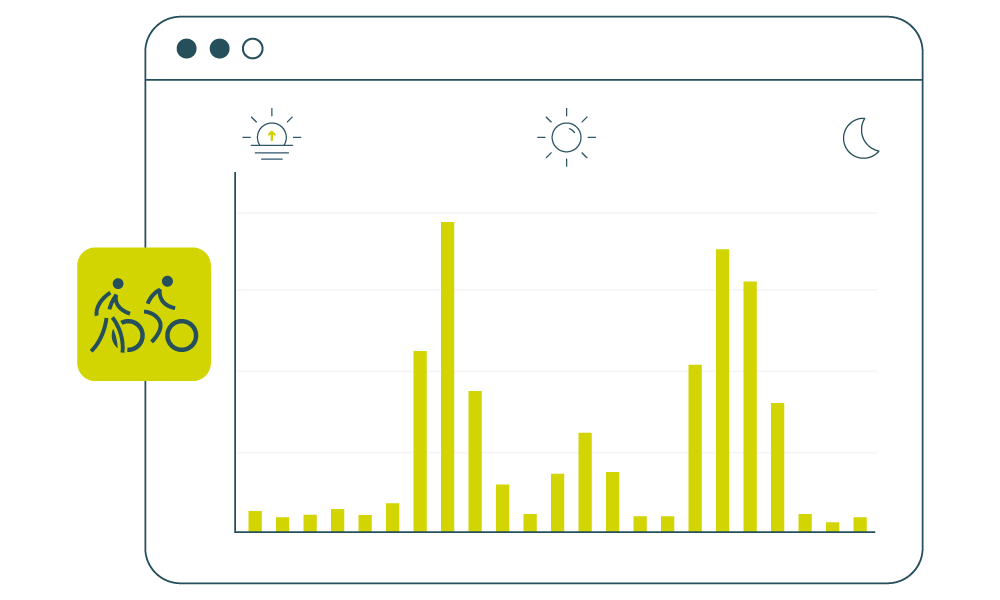
Average Annual Daily Traffic (AADT) is a standardized indicator that measures the number of visitors to a given location, and enables us to track its evolution over the long term.
By using several counters, it is possible to easily identify the most frequented points in an area, and understand how visitor numbers evolve from one year to the next. This makes it possible to measure the effectiveness of measures taken to improve the visitor experience: signage, communication, reservations, etc.
Flow distribution
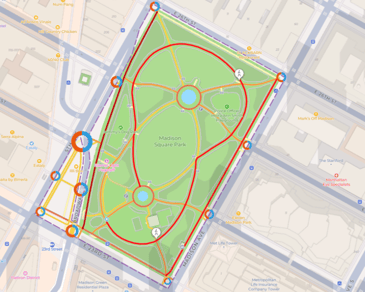
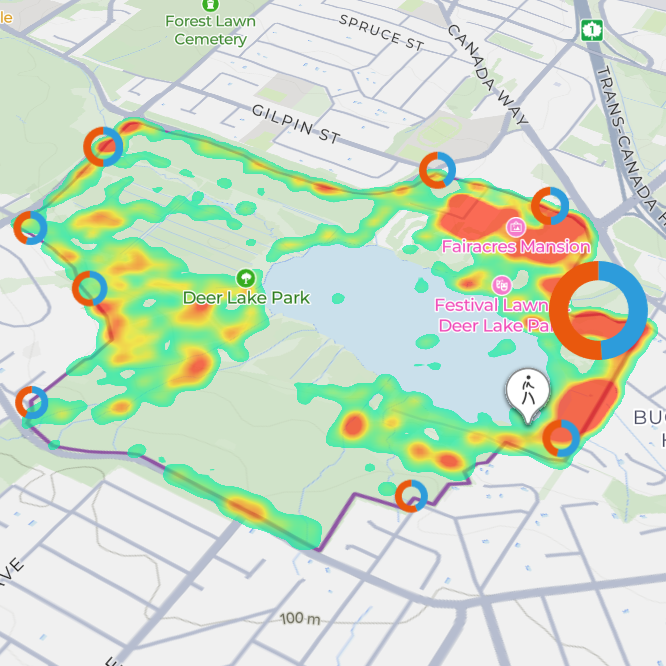
To optimize the experience of visitors to a natural or tourist site, mobile data can be used to obtain the spatial distribution of visitors, based on GPS tracks or cell phone data.
This enables us to understand visitor routes and identify bottlenecks or less frequented areas.
Satisfaction rate

On-site surveys also provide valuable information on visitor satisfaction. This makes it possible to assess visitor and tourist feedback in a more qualitative way to identify your park's strengths and weaknesses. Combining this feedback with insights from count data is an effective strategy when improving visitor experience.
VisitorFlow: combining count and mobile data to enhance your park
VisitorFlow is the only solution on the market to combine precise pedestrian count data with cellular data from phones for a quantitative AND qualitative analysis of visitor flows.
As a result, managers of natural or tourist areas can understand visitors and measure the impact of decisions taken (new amenities, trails, communication, etc.).
Our VisitorFlow solution gives you the best of both worlds when it comes to analyzing your park's visitor flows and improving visitor experience.

Case study: Acadia National Park
Acadia National Park, in Maine, is one of the most visited natural sites in the United States, with 4 million visits a year. Faced with traffic congestion around its iconic summit, Cadillac Mountain, park managers have introduced a mandatory vehicle reservation system. This measure is designed to smooth traffic flows while guaranteeing access for emergency services, and freeing up access for pedestrians and cyclists to encourage active mobility.
To measure the impact of this initiative, automatic counters have been installed on the paths leading to the summit. These tools make it possible to track the distribution of visitors in real time, and assess changes in behaviors: how many now choose to walk or cycle? The data collected guides future developments and helps optimize the visitor experience while preserving the environment.
This case study illustrates how intelligent flow management, supported by accurate data, can reconcile the visitor experience with the protection of natural areas.


How we help
Expertise
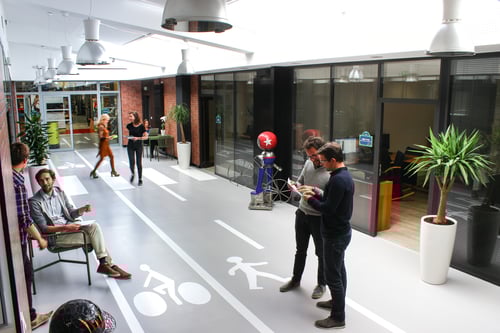
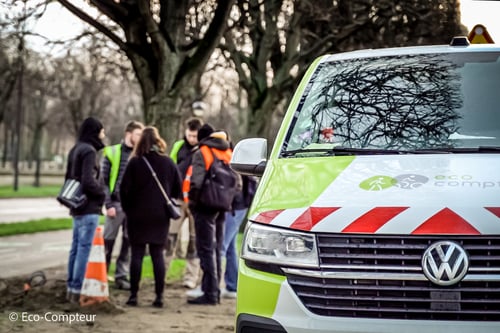
At every stage of your project (choosing count sites, selecting counting solutions, using analysis tools, etc.), our teams are here to help.
Support
Already have a project in mind? Contact us and our dedicated support team will help you get it started from square one.
Tools
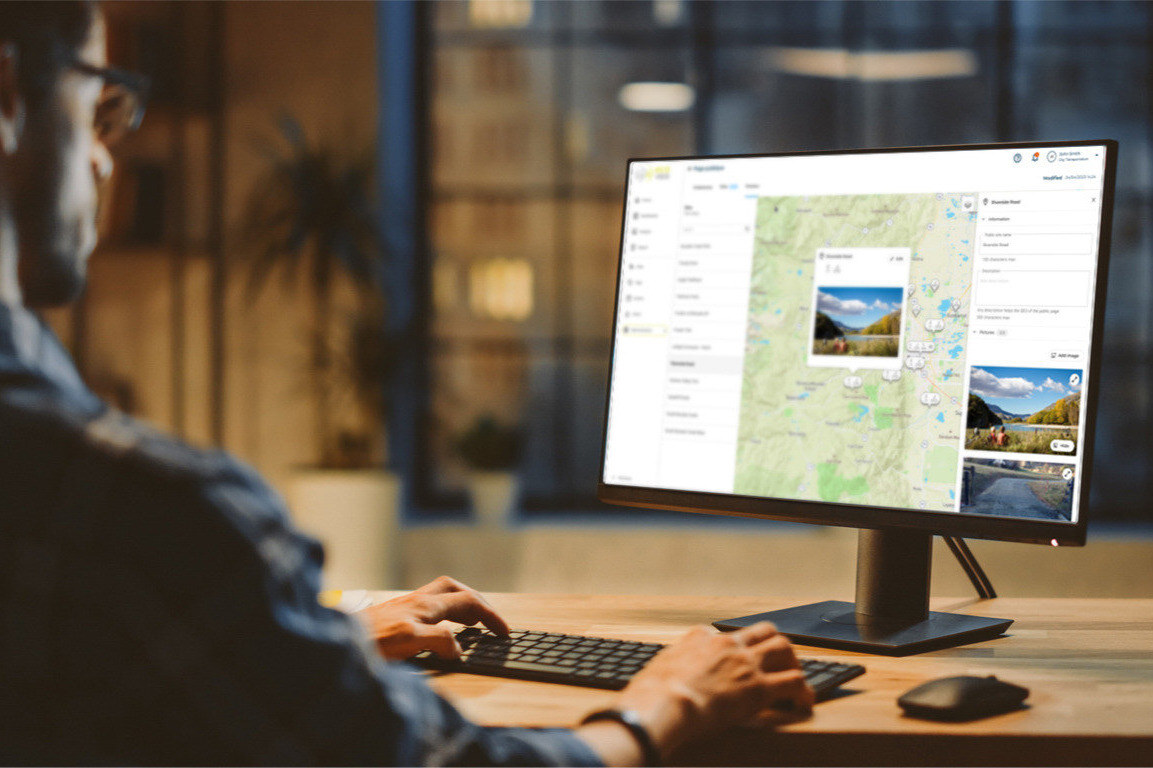
Reliable hardware, user-friendly software, and guaranteed data quality: we provide a complete solution with products and services to get you the best possible data.
Going further
Explore related topics and discover how data can be used in each situation:

Justifying resource requirements
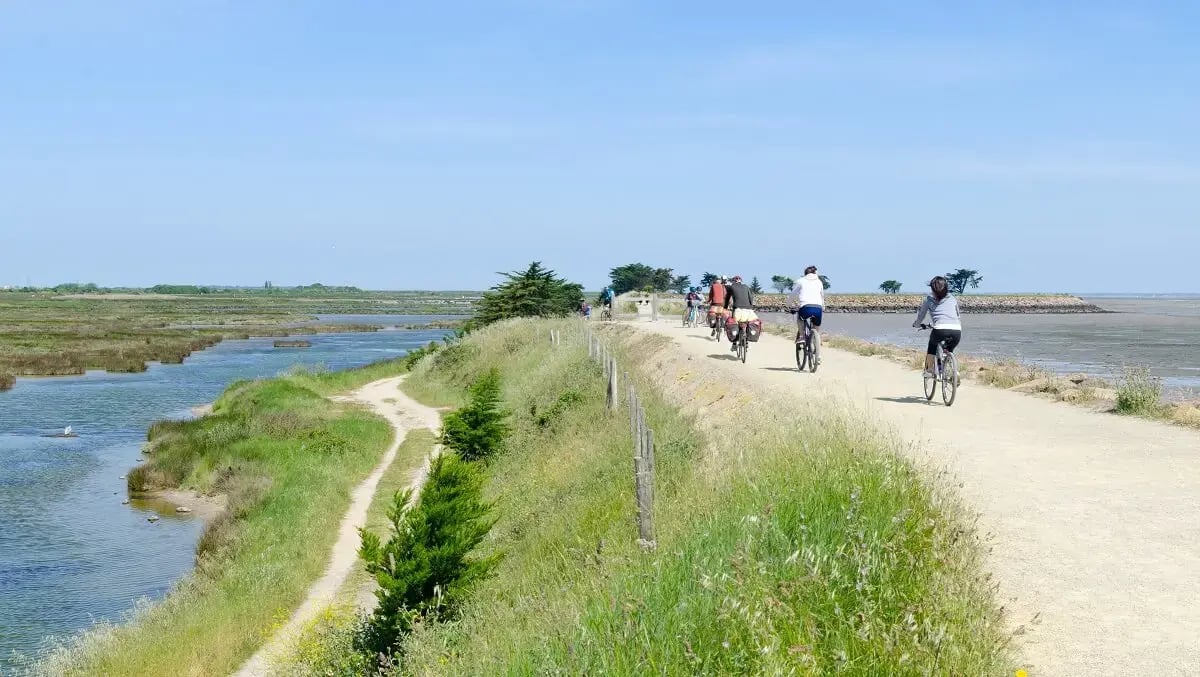
In order to justify requests for funding and resources (and also to meet the ambitious objectives of preserving natural areas), visitor numbers are a prerequisite for knowing the total number of visitors to a natural or tourist site.
From simple observation to a more detailed understanding of a site, several methods are available.
Evaluating economic benefits
Measuring economic spin-offs is at the heart of tourism issues, as it makes visible the benefits of tourism for territories, particularly rural ones.
It provides an indicator of economic dynamism, and makes visible the many benefits of tourism development.
Managing peak visitor numbers
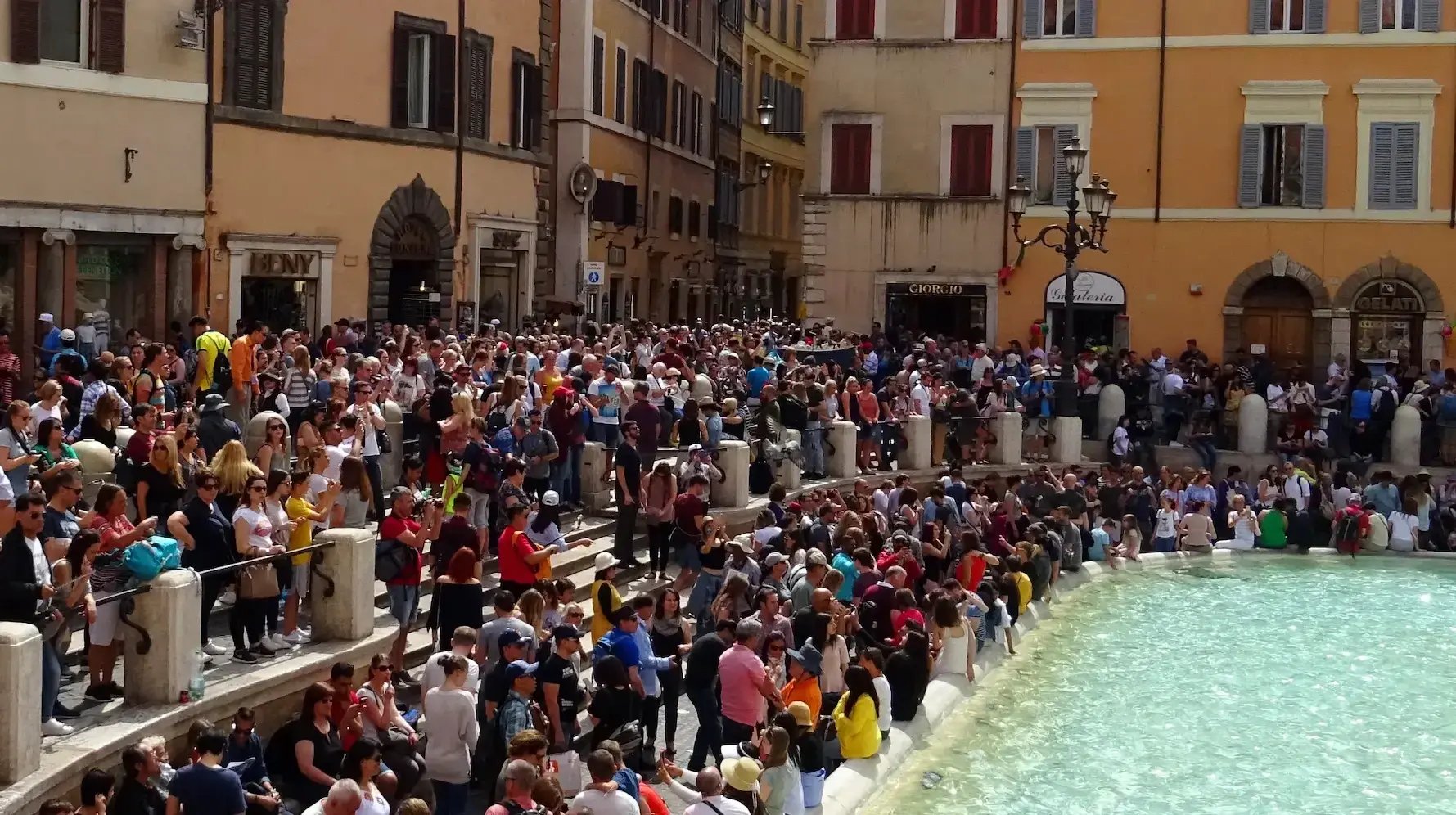
Peak visitor numbers show just how important real data are for an objective debate. What phenomenon are we talking about? What are the thresholds for peak, over- or under-visitorism? What are the measurable impacts of human pressure on biodiversity and visitor experience?
How can tourist flows be better managed?
Communicating alternative itineraries, as well as introducing quotas, have positive effects on the management of tourist flows and peak visitation.
A pedestrian counting study carried out for the Tabular Mountains National Park in Poland shows that the introduction of quotas has improved the visitor experience, while increasing overall annual visitor numbers.
How do I know if my visitors are coming back?
How long do visitors spend at a tourist site?
The available data varies widely from site to site, although several managers of natural and tourist areas mention visit times of between 1 and 2 hours.
Our VisitorFlow solution can be used to obtain the actual duration of a visit to your natural or tourist sites.
Can we find out the geographical origin and nationality of visitors?
This information can be obtained by carrying out a field survey, or by using our VisitorFlow solution, which can be used to obtain the geographical origin and nationality of visitors.
This information can then be used to understand the use of a park or tourist area, and justify requests for funding targeted at the actual use of the space.