.webp?width=205&height=50&name=LOGO_EN_LARGE%20(1).webp)
The challenges
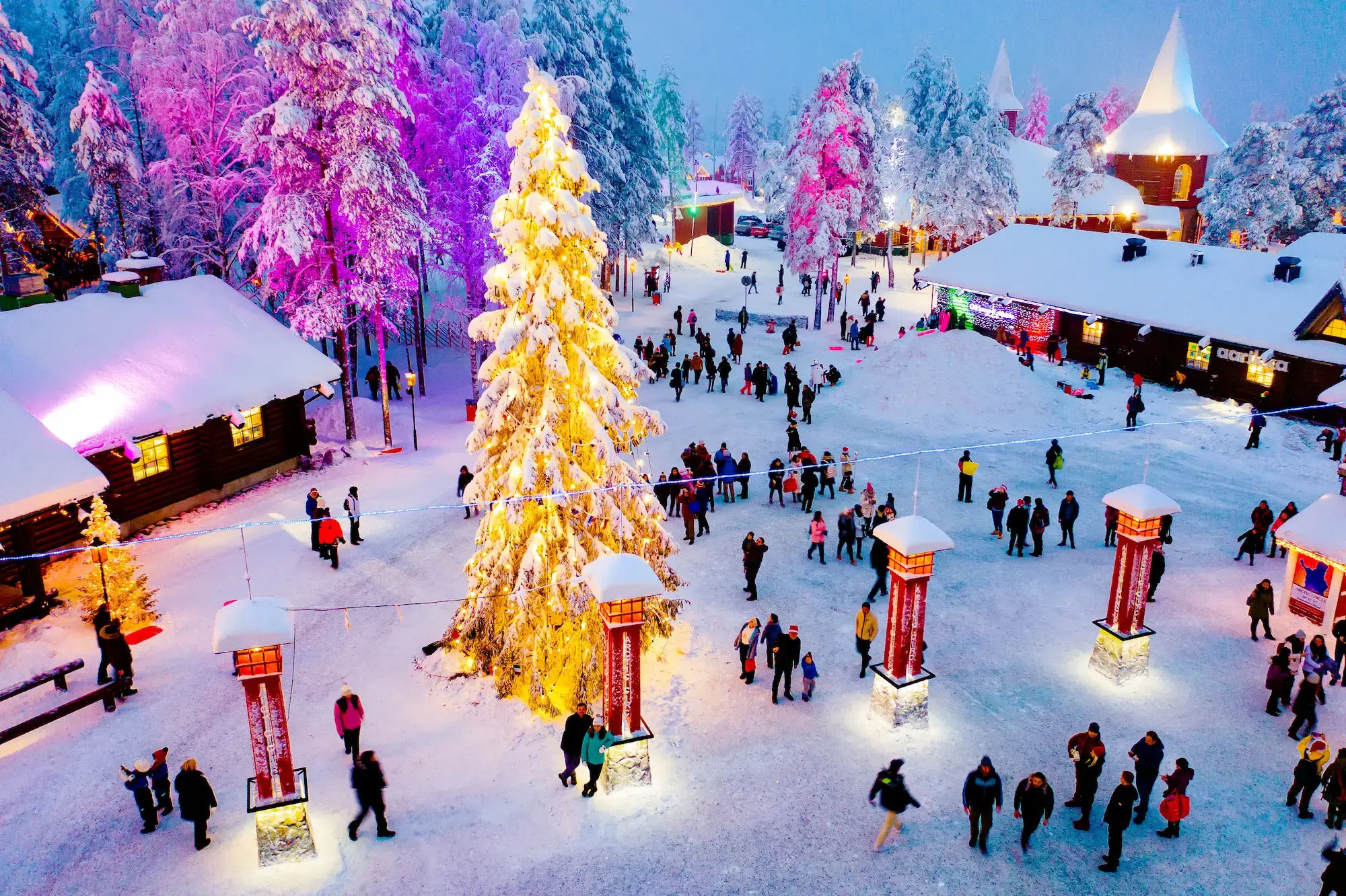
The city has been a tourist destination since the 80s, with a significant acceleration since the 2010s. It is currently experiencing a true tourism boom which, while beneficial for the local economy, is putting major pressure on infrastructure, transport, housing and residents' quality of life, particularly in winter.
"We are concerned about the excessive growth of tourism. Tourism has grown so fast that it's out of control," stresses Antti Pakkanen, 43, a photographer and member of a local association that regularly protests to make the local voice heard on these issues.
The solutions
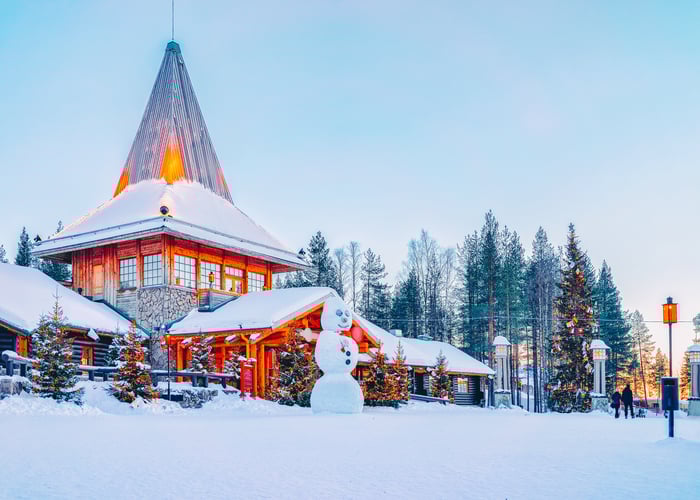
To achieve a balance between economic development and tourism that respects the local ecosystem, Rovaniemi's municipal authorities rely on various sources of data, available both locally and nationally.
Measuring national use of Finnish natural areas
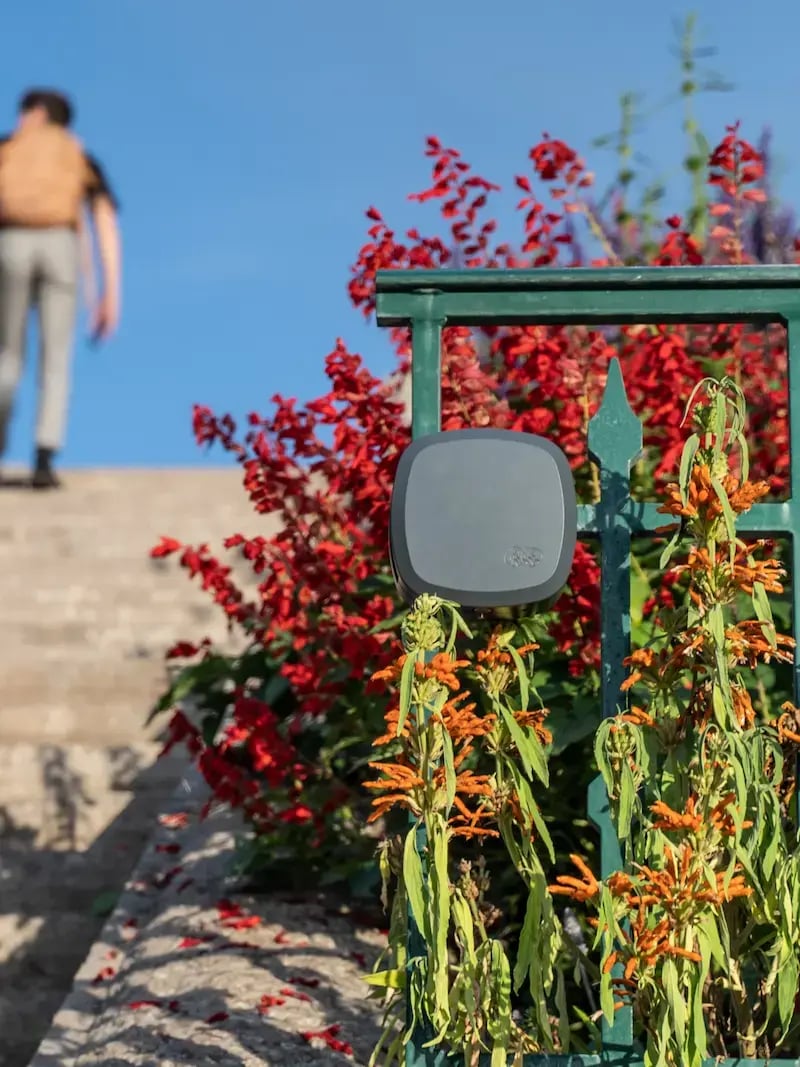
At national level, the Metsähallitus organization relies on a vast network of over 400 Eco-Counter systems distributed throughout Finnish parks and natural areas. These counters measure the number of visitors to nature parks over the year, their evolution over time and the differences between sites. The data collected serves as a common basis for managers to objectivize the success of certain destinations, identify areas of over-visitation and prioritize investments. For more information on this national program, read our detailed case study on the matter.
Tracking local usage
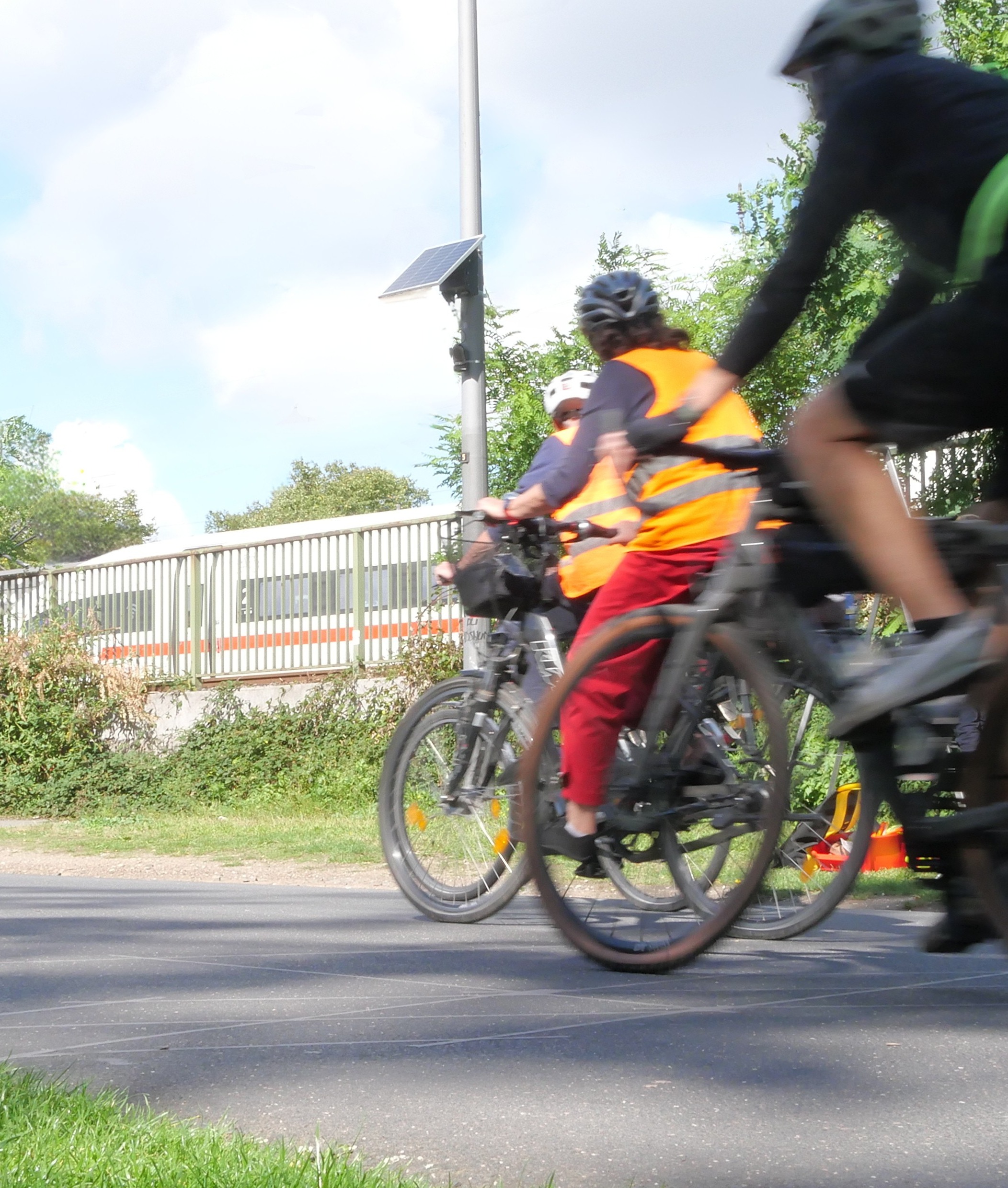
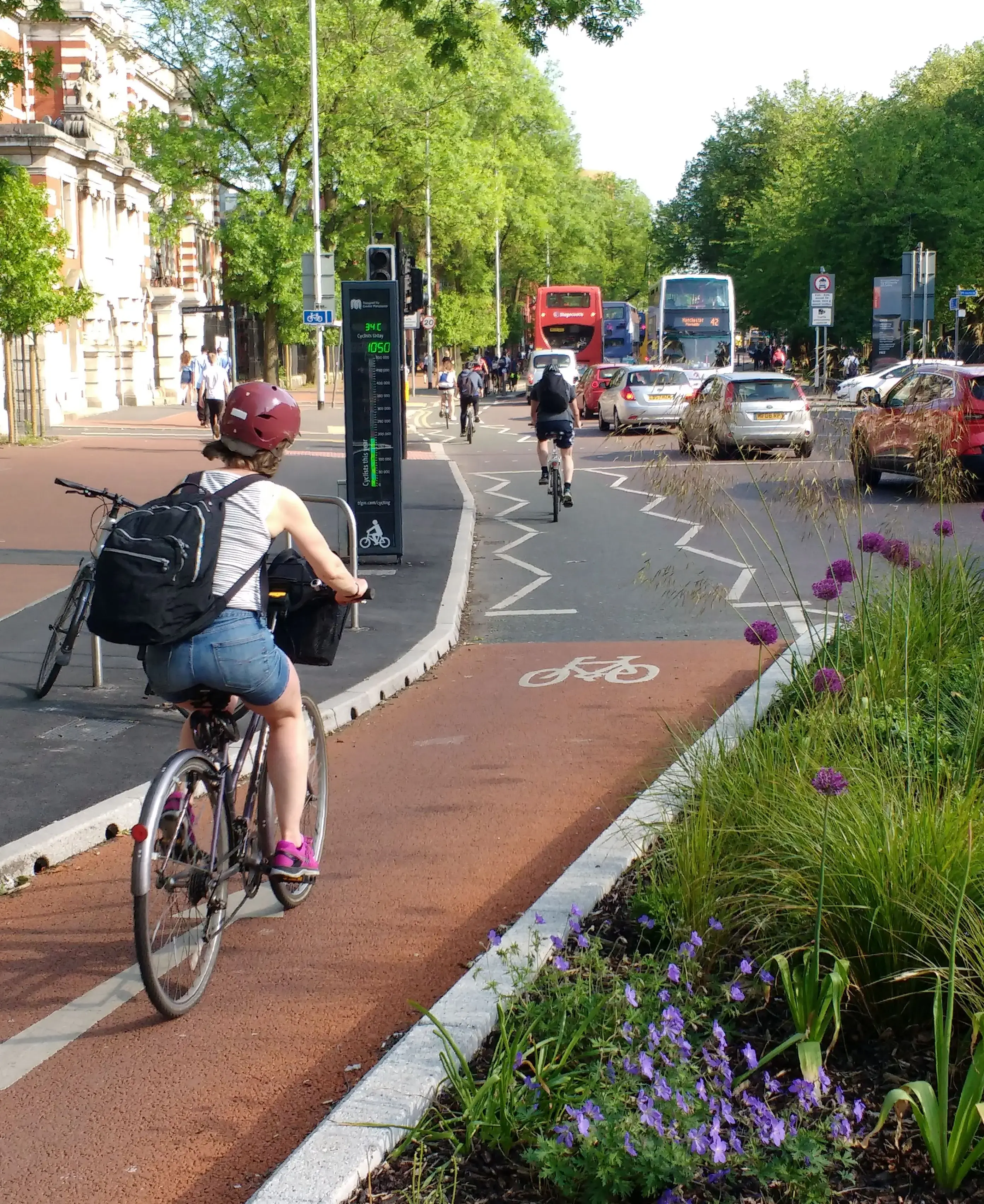
On a local scale, the city of Rovaniemi analyzes tourist data and has an Eco-Counter installed on a strategic pedestrian/bicycle axis in the town center. This equipment is used to monitor changes in visitor numbers before and after an urban redevelopment project. The data collected allows to check that the developments are indeed benefiting everyday uses, and offers quantified elements on how the city can be welcoming to both residents and visitors.
|
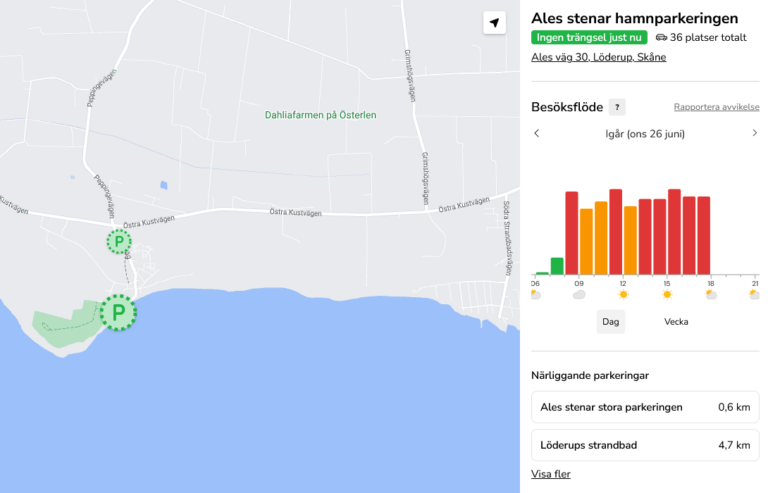
💡 On this subject, the tourism organization Visit Skåne AB (province of Skåne in Sweden) has been monitoring visitor numbers in real time at the seven parking lots providing access to natural and tourist areas since June 2024. The counters were installed in partnership with our partner Amparo Solutions. ZELT Evo vehicle counters (powered by solar panels) are installed at the entrances to the parking lots to track visitor numbers, and share data in real time to a dedicated website: Uncrowded.se.
This keeps visitors informed of visitor numbers, helps them spread their visits out over time, and avoids saturation of tourist sites, a source of damage to flora and fauna. |
The results - What the data revealed
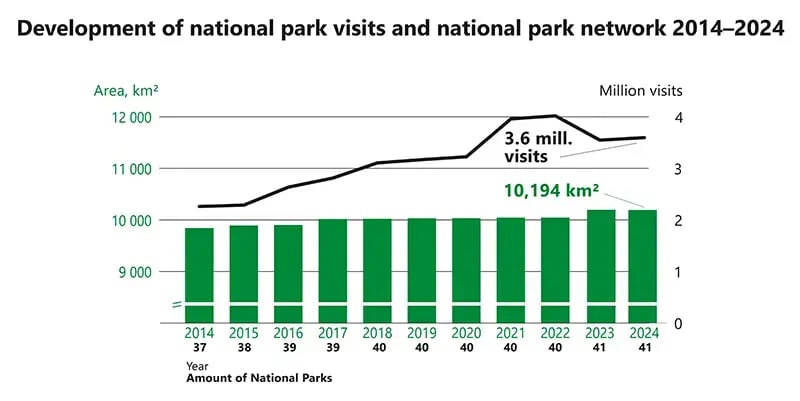
Visitor numbers collected by Metsähallitus show that visits to Finnish nature parks have increased by over 60% in ten years, from around 2.2 million visitors in 2012 to over 3.6 million in 2024. On this basis, managers have been able to identify areas of over-visitation around Rovaniemi and Santa Claus Village, and redirect some visitors to less-frequented sites to spread the pressure more evenly.
"Our task is to make nature available to visitors," explains Henrik Jansson, Director of Parks & Wildlife Finland.
"The worry is that we have a number of tourist hotspots that attract a lot of people, while others are quieter. We'd love it if some visitors decided to head for the less crowded spots instead, but it's something that's hard to control."
Local tourism statistics (overnight stays, air arrivals, accommodation capacity) for Rovaniemi show similar trends. One particular and local aspect is of course to show an extreme peak in December, with up to 10,000 arrivals per day at the airport, for a total of 1.2 million overnight stays in 2023 (+30% vs. 2022) and over 600,000 annual visitors to Santa's Village. These figures have been used to trigger concrete actions: development of summer and autumn offers to spread flows over time, restrictions on short-term rentals and launch of structuring projects such as the "new era of tourism in Rovaniemi" and the "Tourism Friendly Cities" plan to develop more sustainable tourism.
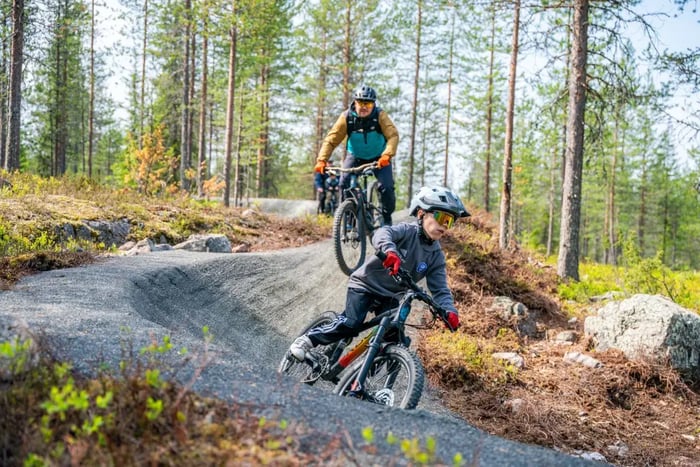
Finally, pedestrian and cyclist counts can help justify urban redevelopment and the creation of new itineraries such as Santa's Backyard Bike Trails, inaugurated in June 2025 and accessible by bike from the center. The aim: to distribute traffic flows more evenly and preserve the quality of life of local residents, while continuing to welcome a rapidly growing number of tourists.
 |
.webp?width=700&height=770&name=image(1).webp) |
Four short, well-marked mountain bike trails wind through the Tonttumetsä Forest near Santa Claus Village (credit: Santa Claus Village).
Learnings
The municipality of Rovaniemi shows that integrated management of the large-scale tourism facing the area requires the collection of solid, robust quantitative and qualitative data.
- Information obtained from tourism agencies, as well as on-the-ground footfall data from permanent counters, is essential for making the right decisions, reconciling economic development and quality of life.
- Permanent visitor data can support a more sustainable tourism strategy by identifying moments of saturation, and measuring the success of actions to better distribute flows in time and space.
- The connection between major tourist sites (Santa Claus Village) and the city center requires flow monitoring to optimize development.